first water consulting
FACILITATING ALL YOUR WELL & SEPTIC NEEDS FOR 30 YEARS
Our Services
SEPTIC ADEQUACY & WELL FLOW TESTS, SEPTIC DESIGN, SITE INVESTIGATIONS, SOILS / PERC TESTING, FEASIBILITY STUDIES, PLANNING & OTHER SERVICES COORDINATING WITH SURVEYORS (AS-BUILTS), EXCAVATORS FOR INSTALLS, WELL PROFESSIONALS,… PLEASE SEE FAQ BELOW FOR MORE INFORMATION.

-
It is best to be proactive in the testing process to provide the smoothest path possible for PEACE OF MIND for sellers, marketing to potential buyers, to avoid potential delays, scheduling conflicts, rush fees, …
If the property owner is going to sell within the next 1-2 years we would highly recommend Test at List (TAL) or ASAP. We have many clients who test 1-2 years prior if they can!
We do not require any retainers up front like some others, we also delay invoicing as much as possible and we will attempt to push other costs towards closing as feasible. If water samples are required, we can take those later when under contract or when notified.
We provide exceptional one call service & work with many trusted, professional surveyors, excavators, well installers, water labs & other services to make the process as smooth as possible brining peace of mind!
-
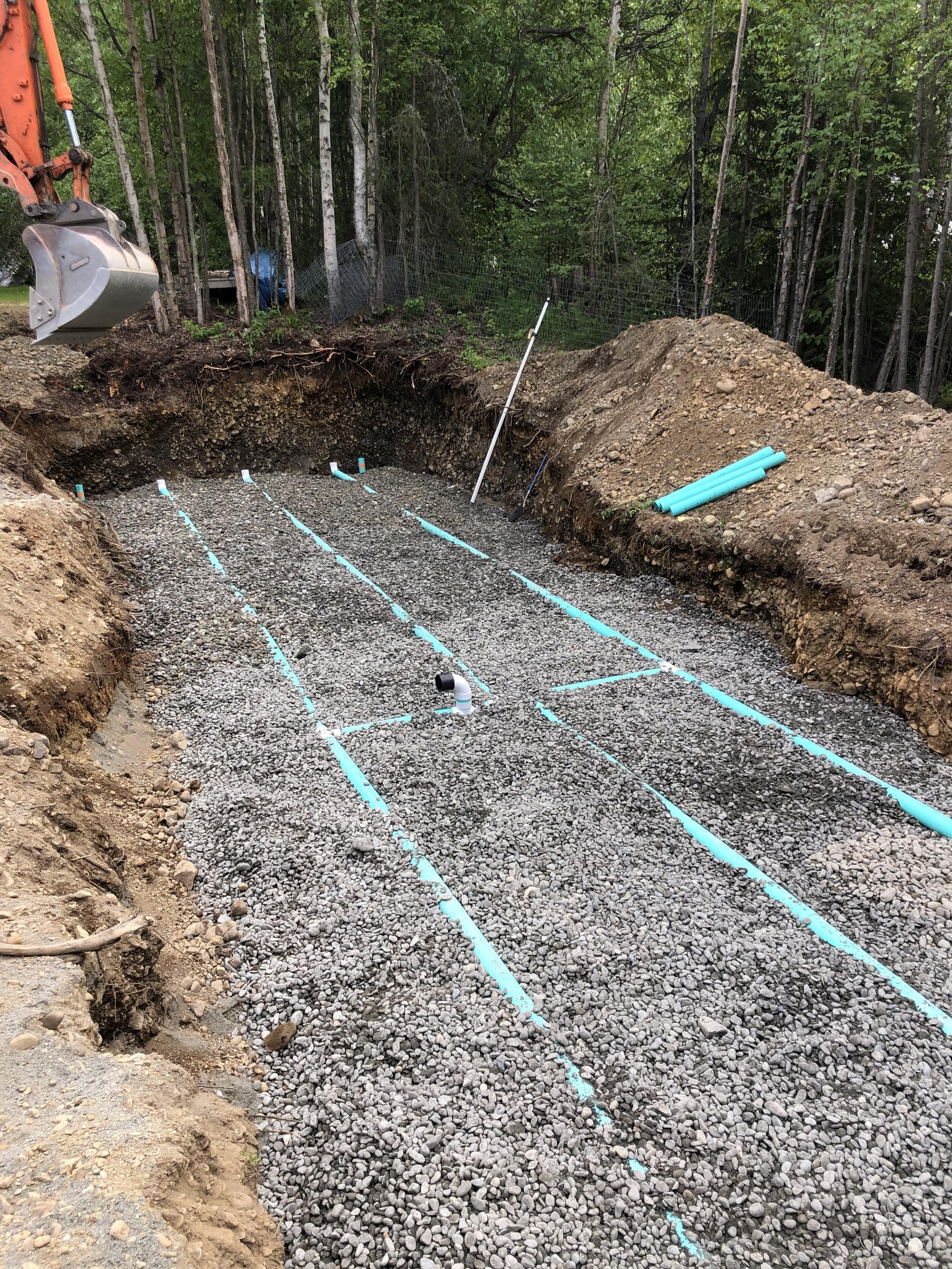
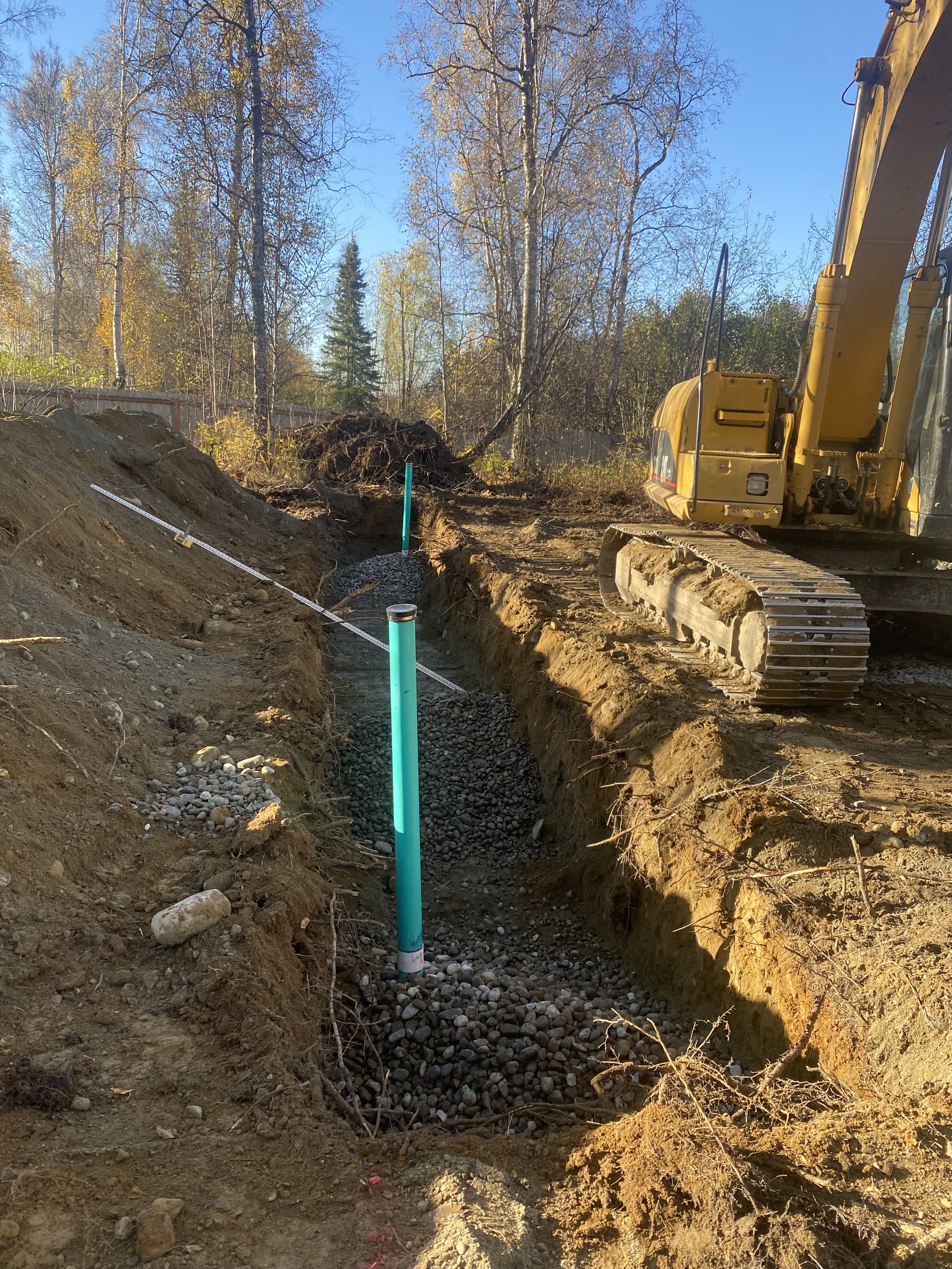
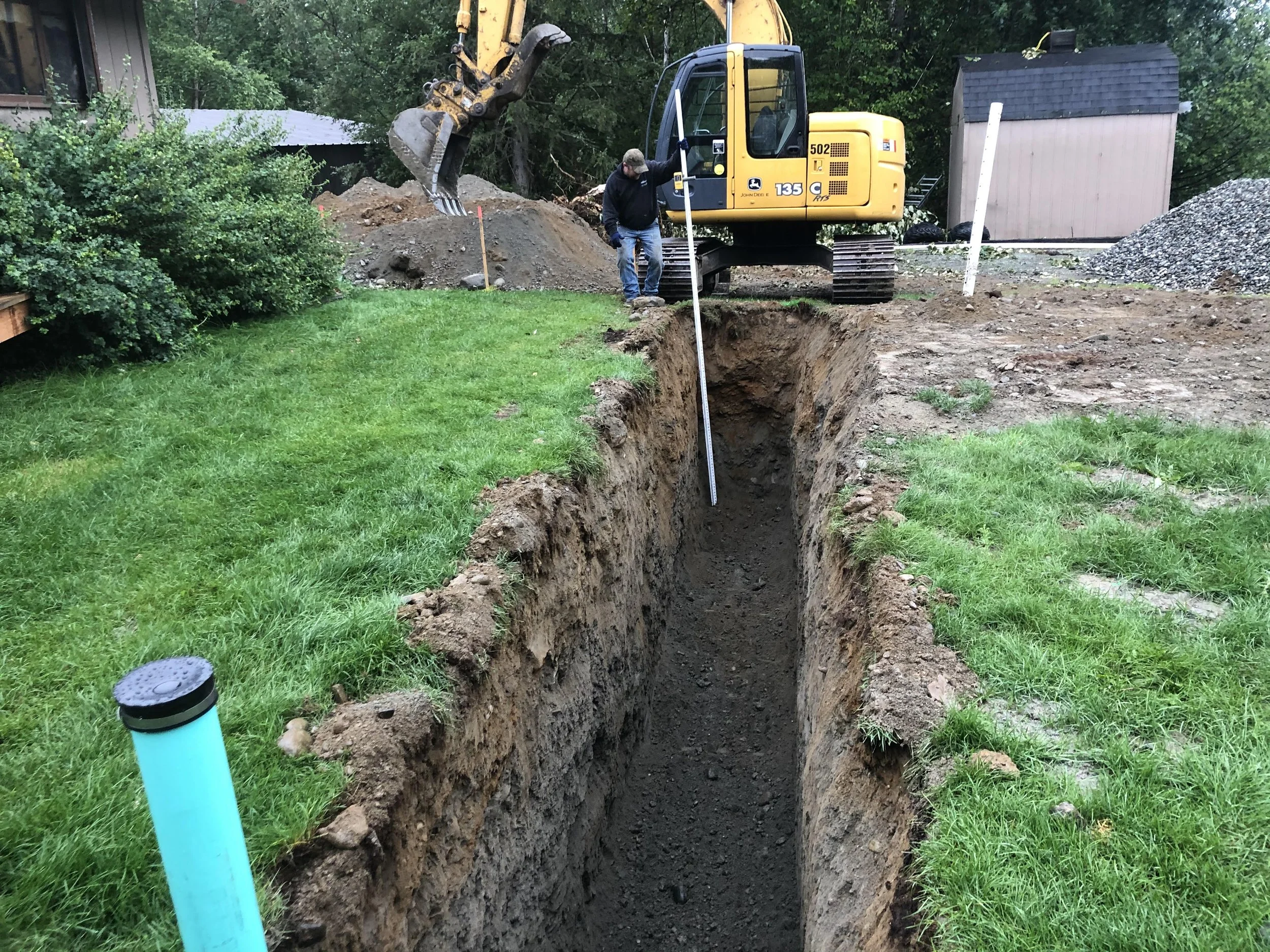
Each site is unique with various needs, challenges & what type of septic system is required. The actual install costs can vary widely depending on what is required. A particular property may need a complete septic system (tank & absorption field) or just a septic tank or field.
Adequate soils / test holes with percolation rates & groundwater monitoring, stamped soils log(s), area research, site review, good as-built survey are all required for a septic design.
Once the permitted design is completed along with the excavator install bids, the actual costs can be significantly narrowed. Let us know and we will get on it.
-
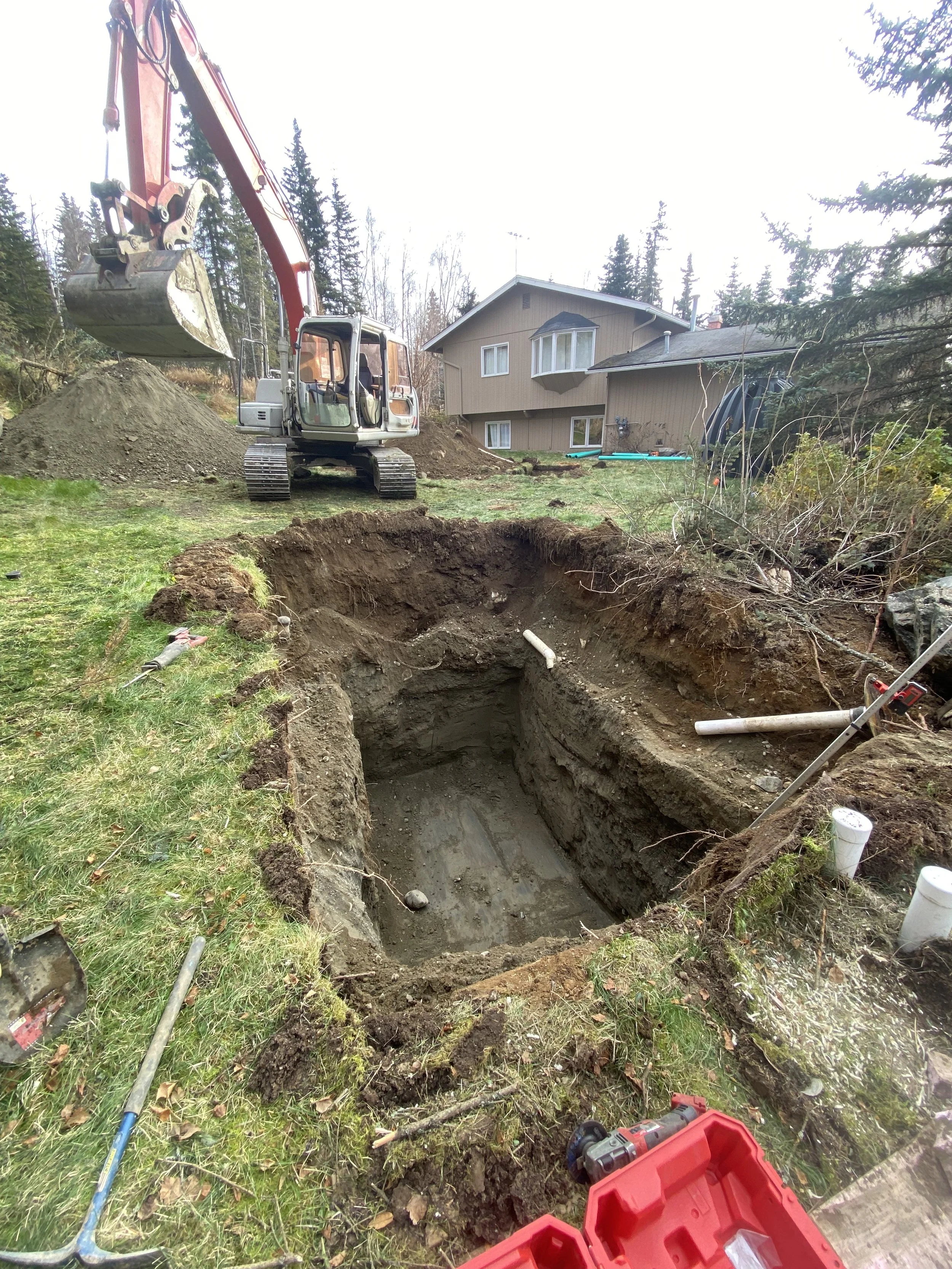
We provide a one stop shop for all your well & septic testing & design needs. We provide site feasibility analysis, soils testing (perc, monitoring, logs) & coordinate with surveyors for as-builts, excavators for installs or other earthwork, well professionals for drilling, water systems, chlorinations, water sampling, etc… Let us know what you need!
Contact Us
Please email us the property description or physical address for the required COSA or any other services needed at the email address above. We’ll get back to you promptly!
FirstWaterAK@gmail.com
907-350-9566
FAQs
-
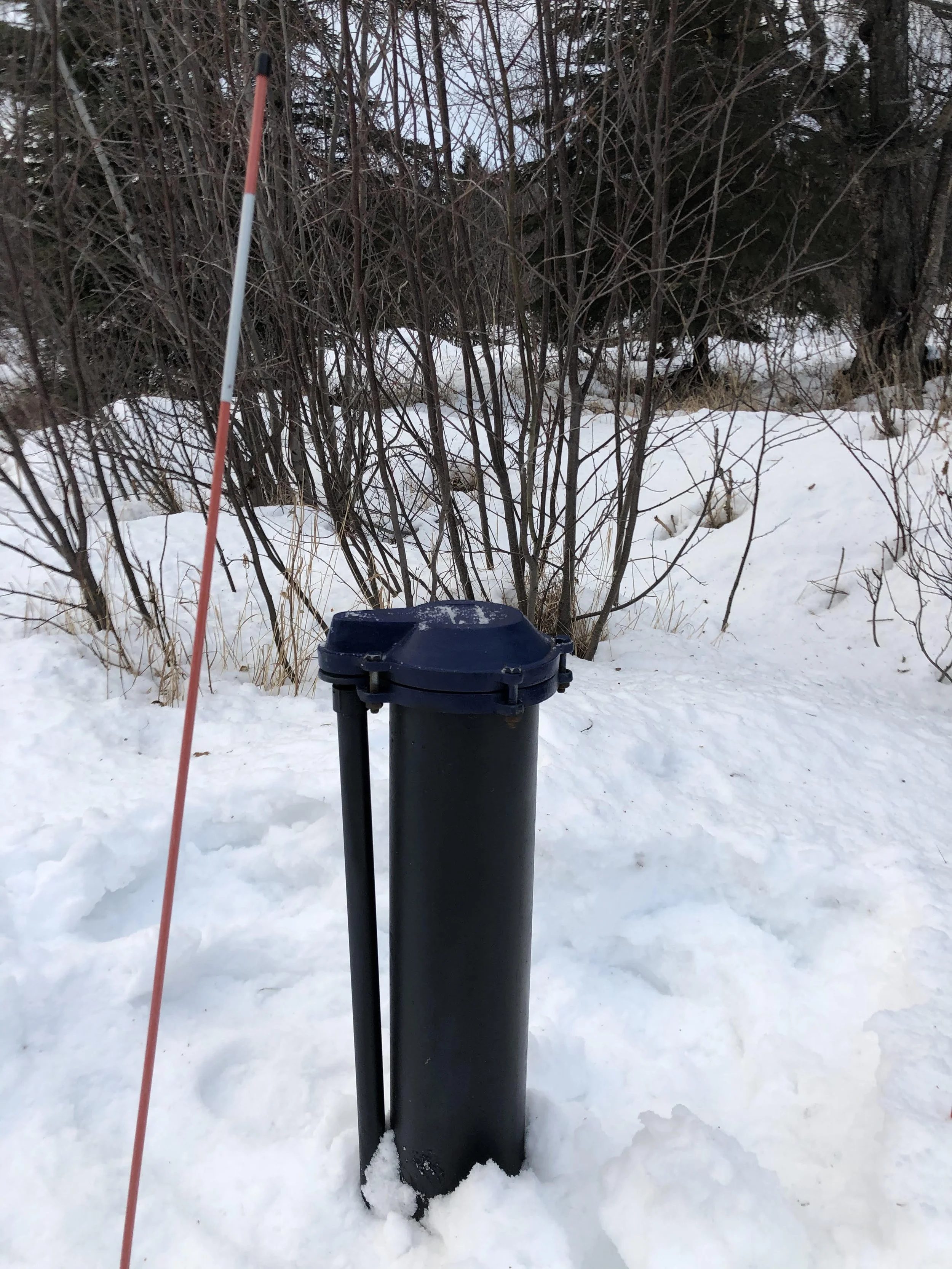
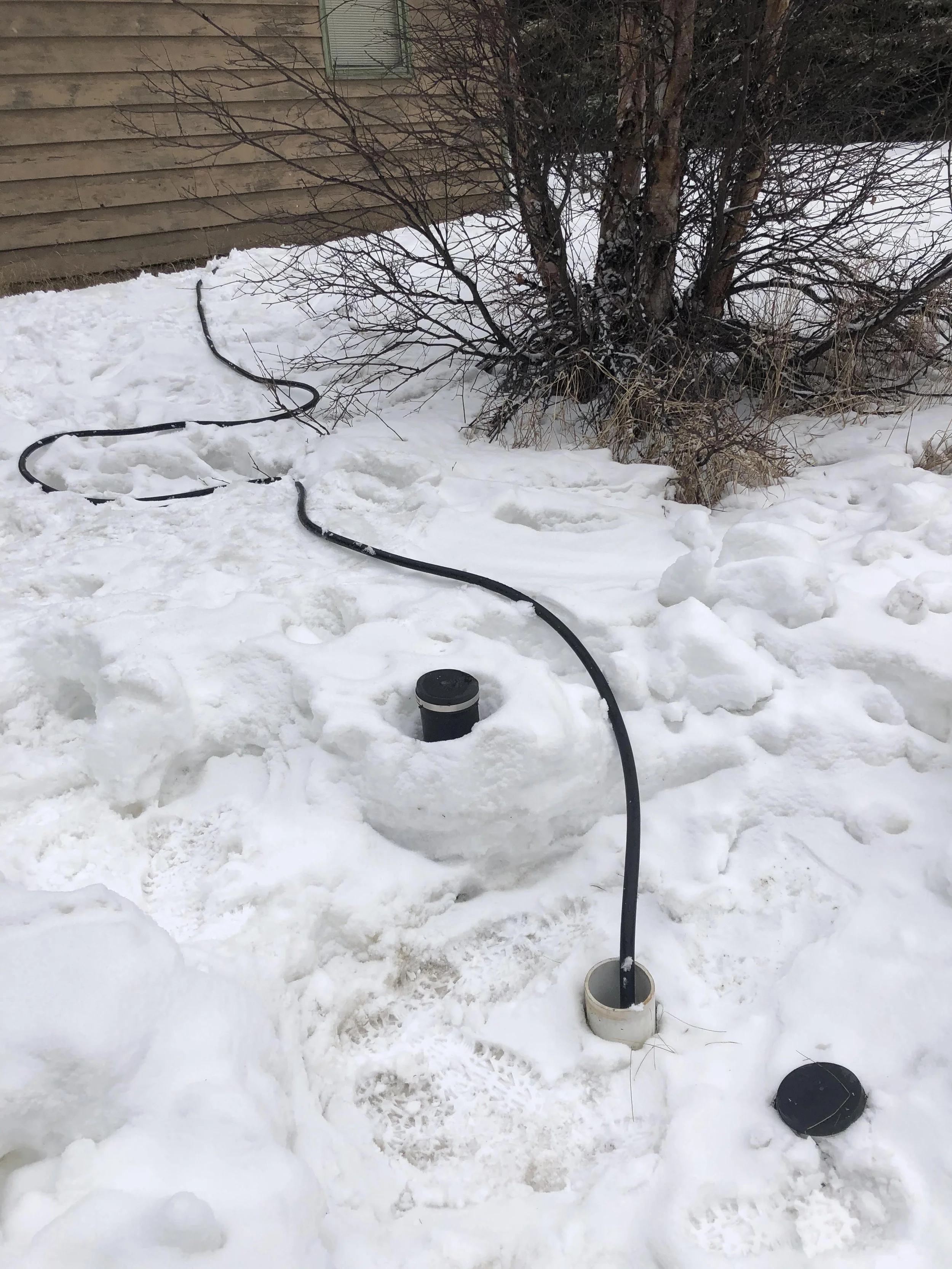
ACCESSIBLE & FUNCTIONAL SEPTIC PIPES, WELL & SPIGOT: Per code, all septic pipes must be accessible at anytime of the year. This includes even wintertime with snow cover and owners have used snow blowers, shovels to make these septic pipes accessible. Please verify that the WELL & ALL SEPTIC PIPES from the foundation cleanout at house to the TANK & FIELD with a FUNCTIONING OUTSIDE WATER SPIGOT are visible, accessible and functional. We can attempt to locate or have the septic pipes found and accessible if the owner would want us or others to perform this service. Pease advise if need be. Once we have received confirmation that ALL of these pipes are accessible with a functioning outside spigot, we will solidify schedule of the required testing and septic tank pumping and let you know an approximate expected time of arrival (ETA).
WELL / SEPTIC TESTING MAIN POINTS:
ACCESSIBILITY - The well & ALL septic pipes (foundation cleanout at house, tank & field) are visible / accessible.
WATER - Verify no water storage beyond standard pressure tank exists. Please advise and interior access may be required.
WATER SAMPLES - Verify what type(s) of water samples to be taken at testing. (Types can vary Municipality of Anchorage (MOA), Department of Conservation (DEC) / Matanuska Susitna Borough (MSB), …. please advise, ie PIWA (Comprehensive Water Analysis), CAN,...)
(MOA requires a CAN (Coli, Arsenic & Nitrate) water sample, that will be taken for Municipality of Anchorage (MOA) sites, unless otherwise requested.)
SPIGOT - Verify that there is a functioning and accessible outside water faucet / spigot.
VACANT PROPERTY - If vacant, provide date the site became unoccupied. A septic system can begin not to function normally if not in normal continuance use & may need to be presoaked to test properly. Best for all to test while occupied - TAL - test at list or before!
ETA: We will review data, schedule septic tank pumping followed by testing & let you know.
MISC: Site may require water hauls and/or other services like water system chlorination with new coli sample, well head casing extensions, sanitary seal with conduit, etc… in the process.
CLOSING DATE - Provide closing date.
-
Certificates of On-Site Systems Approval (COSA)
The Certificate of On-Site Systems Approval is issued by the Municipality of Anchorage (MOA) and serves as confirmation that the well and/or septic system serving a single family or duplex home have been inspected / tested by a professional engineer and were found to be in compliance with the applicable standards established by the MOA. In August of 1998 the Municipal Assembly passed an ordinance requiring that in order to transfer a title on any property that is served by a well or septic system, a Certificate of On-Site Systems Approval must be obtained. The intent of the ordinance was to help protect the public health by insuring that septic systems are functional and not creating a health hazard. In addition, it ensures that well water quality is safe to drink and in sufficient quantity to meet the basic needs of the family purchasing the house. Anchorage Municipal Code 15.65 requires a septic system to be sized based on the number of bedrooms in the dwelling unit(s) it serves.
Depending on type of COSA & what is actually required, the COSA timeline can be as quick as less than 4 weeks or if an upgrade or other action is required it can take several months.
TESTING TIME FRAME: Technically the actual septic adequacy and well flow tests are good for 2 years, but the property may need new updated water samples which are now good for 1 year with the MOA instead of 90 days in the past. However, some lenders may require more current or specific water samples. A current septic tank pumping within the year is also required.
As you know, septic and well conditions can fluctuate by the area, age and installation of the specific systems and over time and how they are maintained and used. Typically as testing ages closer to the 2 year timeframe, additional site investigation observations are needed or the actual well flow and septic adequacy tests may need to be performed. In any case and at 1 year from testing the MOA will require a site investigation along with any required water samples or tank pumping. Please contact us to proceed.
-
Typically we pump the septic tank at testing for several reasons noted as follows:
1. Good maintenance - the septic system will operate better and more efficient with regular septic tank pumping. Usually 1-2 every 2 years depending on need or use.
2. Tank pumping is normally required to be completed within the year of the property's title transfer.
3. Safety - significant amounts of water will be added to the septic absorption field during the septic adequacy test and an empty septic tank will act as an empty barrier so that effluent can not backup into the house. Especially if the property has been vacant.
4. Controlled and better testing calculations and hopefully results by knowing exactly how much water is being added to the absorption field for the 24 hour septic adequacy test.
5. Per item four above, having an empty septic tank and controlling the amount water added to the absorption field may result in better or more favorable testing which would be more advantageous to current property owner.
6. Certain government agencies like the MOA require that we conduct and view the fluid operating levels of septic tanks prior to pumping and it is always best if we coordinate the tank pumping.
7. Pumping the septic tank allows for normal use of the house's occupants and will not interfere with the test.
We can always attempt to do the septic adequacy test without pumping the septic tank and we will do all we can to monitor fluid and any potential backing up of the effluent, but we are not responsible for any such backups to the house if the septic tank has not been pumped with our coordination and testing. As stated above, it is very beneficial for the current home owner and to us to pump septic tank at testing. Please let us know.
-
A septic system is built to last, but over time, issues can arise that require professional attention. Each property is unique with various challenges & needs. There are several types of needed or required septic systems with a wide range of potential costs to install and to maintain. Certain types of septic absorption fields and tanks can have varying life spans. Here are some common scenarios where repair or replacement might be necessary:
1. Cracked or Damaged Septic Tank
Over time, your septic tank may develop cracks or other structural damage due to natural wear and tear, shifting ground, or external pressures (e.g., tree roots or heavy traffic). Cracks can lead to leaks, causing contamination of the surrounding soil or groundwater, and this can lead to costly environmental issues.
Signs: Foul odors in the yard, visible damage to the tank, depressions, rocks in the tank, or unexpected wet spots near the tank.
2. Clogged Pipes and Drains
A common issue in septic systems is a clog caused by debris, grease, or non-biodegradable items being flushed or drained. Over time, this can result in backups, slow drainage, or complete blockages in the system.
Signs: Toilets or drains that are slow to empty, or wastewater backing up into sinks or showers.
3. Failing Drain Field
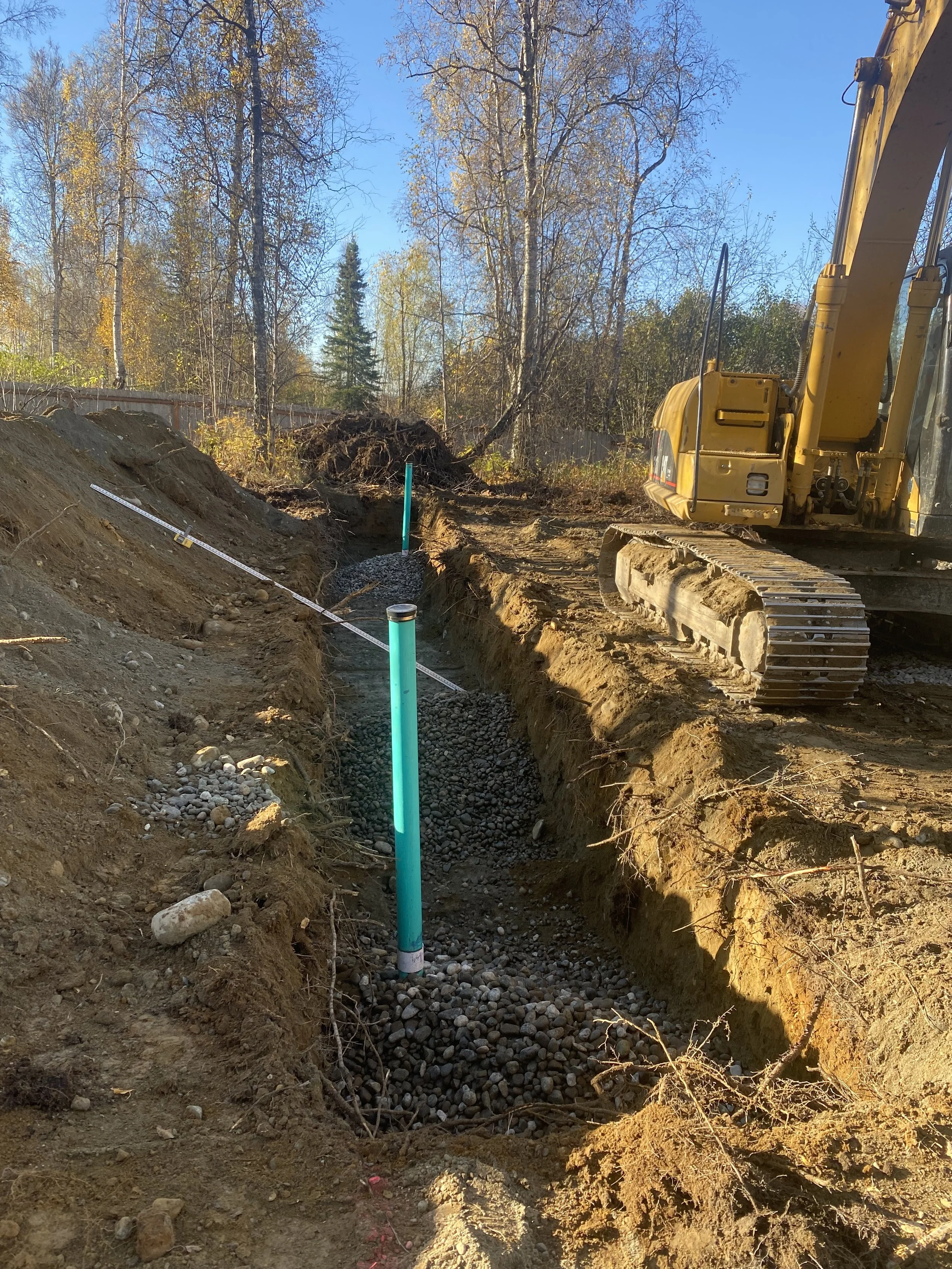
The drain field, also known as the leach field or absorption field, is a critical part of the septic system that filters out remaining wastewater. If the drain field becomes clogged, biomatted, saturated, or damaged, it can lead to sewage backup, foul odors, and even standing water in the yard.
Signs: Pools of water above the drain field - high fluid levels in the septic pipes, foul smells, or areas of the yard that feel soggy or swampy.
4. Upgrade for Additional Capacity
If you're expanding your home—adding more bedrooms or increasing your water usage—you may need to upgrade your septic system to accommodate the increased load. Septic systems are designed to handle a specific volume of wastewater based on your household size. A larger system will be required to handle the additional waste from new bedrooms, bathrooms, or other water-intensive appliances.
Why Upgrade? If your system can't handle the increased volume, it can cause backups, odors, or system failure, potentially damaging your drain field or tank.
Signs You Might Need an Upgrade:
Planning an addition or remodeling project that will increase the number of bedrooms or bathrooms.
Increased household size or usage of water-intensive appliances (e.g., hot tubs, large dishwashers, washing machines).
Septic problems or slow drainage issues that happen more frequently, despite routine maintenance.
What’s Involved in an Upgrade?
In the design process, we will assess your home’s anticipated increase in wastewater demand. The new system may involve installing a larger tank, expanding the drain field, or upgrading to an alternative system that can handle more capacity. Please contact us.
-
Although septic systems are designed and should function properly every day of the year, there are times in the year that the natural soils can become somewhat saturated and effluent from the septic field will not percolate or drain most effectively from the leach field. In Alaska, seasonal high groundwater is based on and typically occurs during the breakup period with snow melt and the soils becoming unfrozen around May 15th and around October 15th with seasonal fall precipitation. Septic adequacy testing can be effected by more saturated soils, types of soils, natural site and area characteristics, ground and surface water, occupancy, septic usage, surface or subsurface grades, maintenance, construction, and other effects. We test well and septic systems all year long, but these systems may be effected seasonally and performance may vary.
So basically in normal high groundwater times including breakup season it is important to address septic systems as follows:
1. Have patience with the wetter conditions that should and hopefully will abate soon after the issue.
2. Septic systems should work and function properly all the time.
3. May consider performing septic adequacy testing in possible drier times of the year when soils may be less saturated and could percolate better into the native, existing soils.
4. Many factors can effect the operating conditions or performance of a septic system as noted above.
5. Maintenance - it is important to reduce items (cooking oils, famine napkins, “flushable” toilet paper or other types, garbage disposal waste, coffee grounds, cigarette butts,…) that are introduced into the septic tank. Pump tank and clean lines if necessary and verify there are no leaking toilets/faucets, maybe consider reducing inside and outside use (laundry, showering, washers, watering lawns,..) in these possible wetter times.
6. Grading & Cover - along with maintaining - septics should have good positive drainage away from the septic area, especially the absorption fields with good cover & water / air tight caps.
SOME SEPTIC DO’S AND DON’TS:
Do Enlarge or Upgrade Your Septic System If Needed
Don't Put Hazardous Waste Into the System
Do Limit the Number of Solids
Don’t Use a Garbage Disposal
Don't Put Anything Non-Biodegradable in Your Septic System
Don't Put Grease, Fat, Coffee Grounds Into the System
Do Run Full Dishwasher / Washing Machine Loads & Quicker Bathing
Don't Put Any Harmful Chemicals Into Your System
-
There can be many other challenges to address in the COSA process as follows:
Number of bedrooms. A discrepancy between the number of bedrooms and septic rating compared to the number in the house or shown in the MOA tax records.
Decks & foundations that are too close to the septic.
Missing or non-functioning pipes that need to be fixed to test or meet code.
Encroachments that may require a MOA waiver, Right Away (ROW) permit or Letter of Non Objection (LNO) from affected utilities .
Undocumented Septic Systems.
Or other needed action, like a recorded well easement,…
Any required actions will be on a case by case basis as needed.
-
VACANT SEPTIC SYSTEMS: It is important to conduct septic testing in normal operating conditions with an occupied residence. The effluent levels may vary and septic fields can begin to change once a septic system becomes dormant and not in us even with few absent days. At times additional testing water may be needed to be added to the field to find operating levels and conduct the septic adequacy test properly. At 30 days vacant, we must presoak the septic field prior to conducing the adequacy test which often requires large amounts of water in conjunction with a water hauler. Presoaking vacant septic systems followed by required testing can add significant costs and may result in some delays in the process and we recommend testing the septic early. TEST AT LIST is a motto I coined! We especially recommend testing before vacancy and
highly recommend the earlier the better - even before or close to listing.
Also, just as you would prepare the property to be sold - please contact us asap to test so current owners and possible buyers know the status and proper owner can take appropriate action. This way, if something does come up in our testing and investigation, the current owner can remedy and know more thoroughly the potential costs to rectify the possible situation and avoid surprises, closing delays, delays following through…. To confirm please let us know if the property has been occupied for at least the past 30 days. If it is or has been vacant, please provide the date it became unoccupied or vacant. description
-
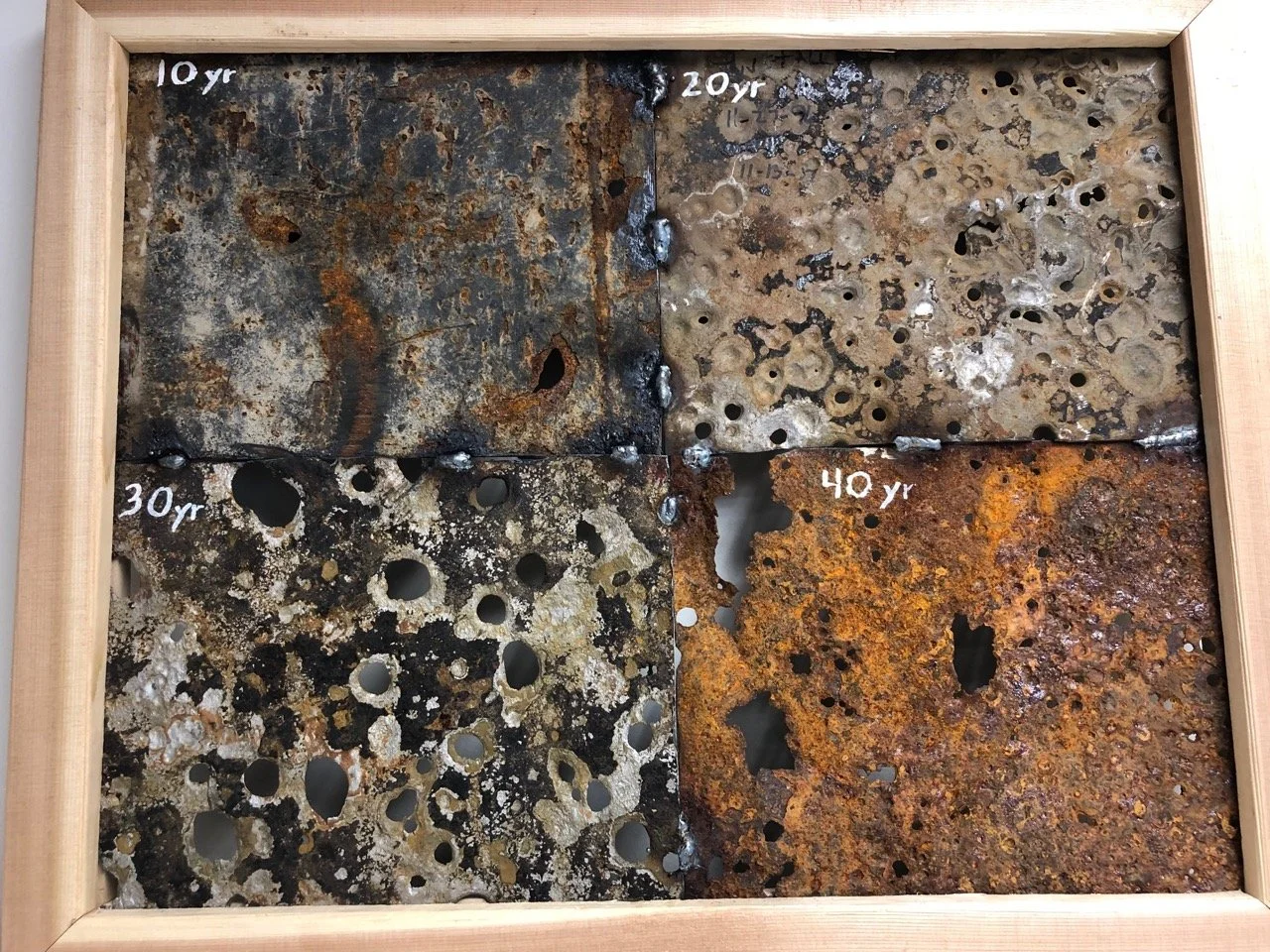
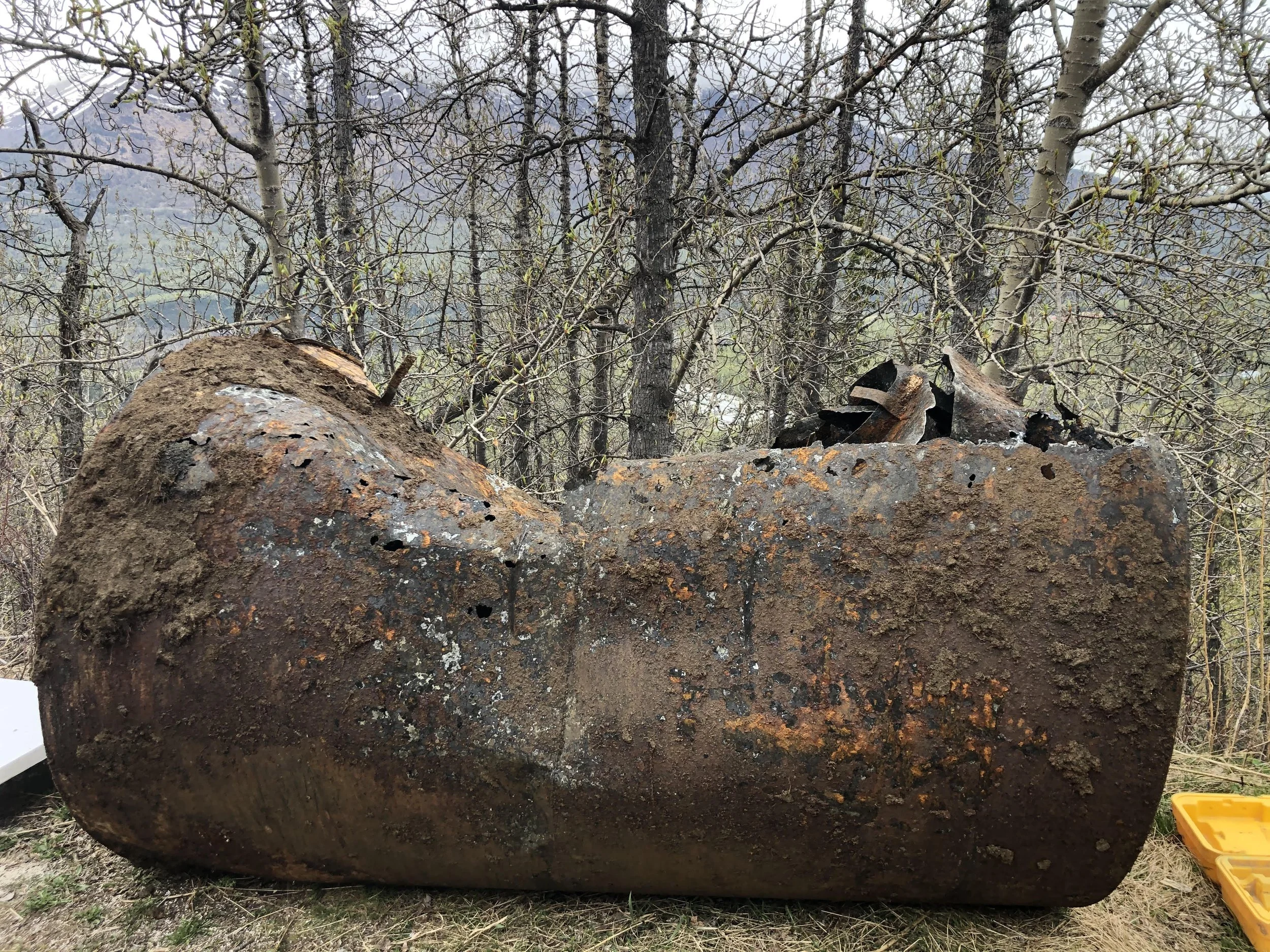
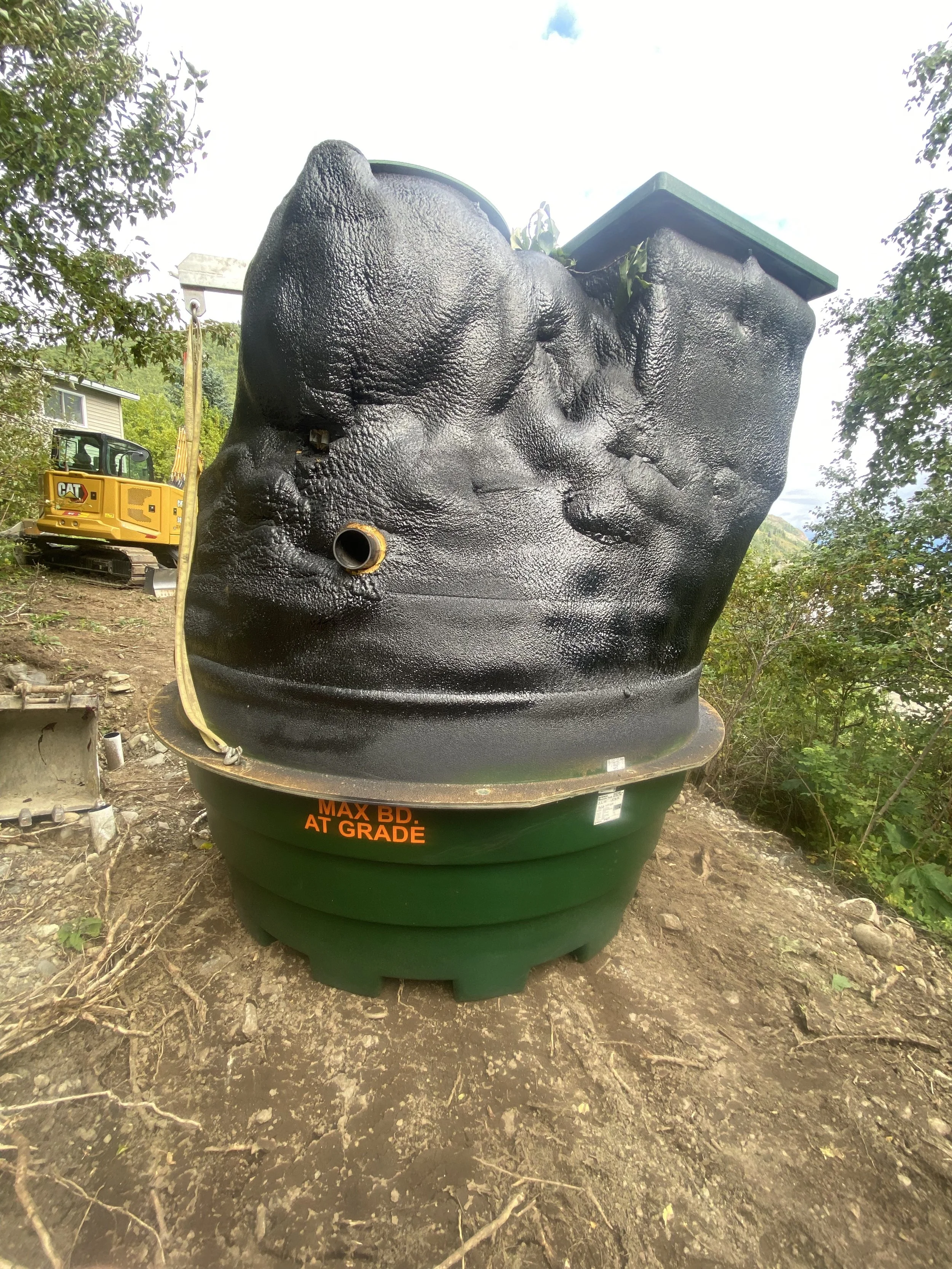
The MOA states in the Standard of Care Policy W.05 , on all aged “coal tar pitched” steel tanks the MOA will issue an automatic advisory at 20 years and these old aged steel tanks are replaced at 30 years with a COSA. We have actually seen these fail in less than 20 years and even have had one collapse with a person falling in, but they were all okay and just a little shaken!
The conditions of these steel tanks depend on type of effluent - use, quality of steel / coating, site soils,… Please the website photo of several steel tanks installed over several decades of use.
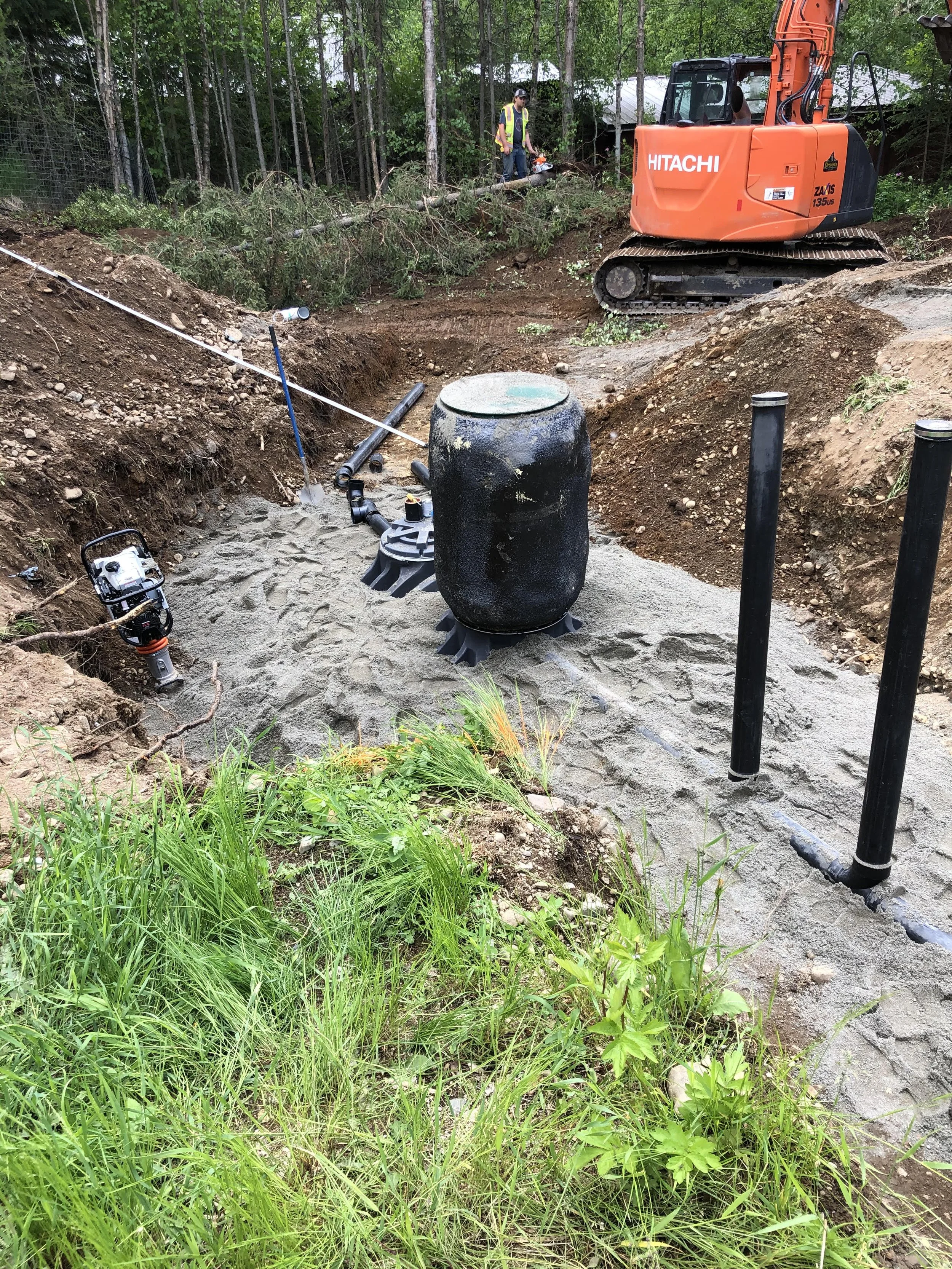
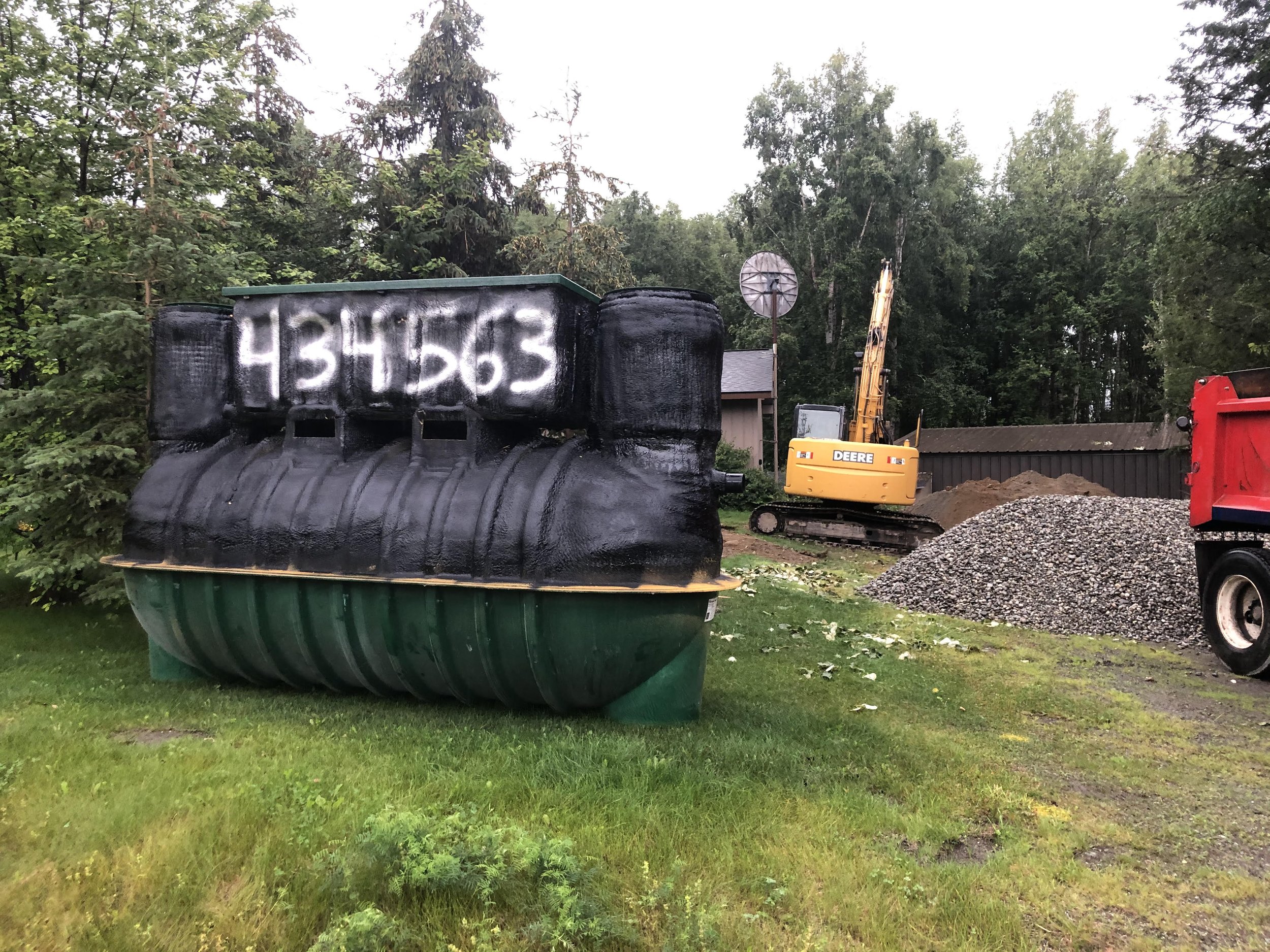
Also as a side note, if a specific property needs to upgrade the septic tank and currently requires only a 1000 or 1250-gallon gravity septic tank (3-4BR), we would recommend installing a 1500-gallon septic tank for current functionality and future flexibility.Each site is unique and will depend on several variables and what action is required or needed, but larger tanks tend to operate more efficiently with the effluent load. Larger tanks can provide more for future possibilities and flexibilities if need be to increase the number of bedrooms for a complete septic system, pumps, or advanced wastewater…
Technically a fiberglass tank does NOT need to be replaced, but would receive a Municipality of Anchorage (MOA) tank advisory. If observations indicate a compromised septic tank (leaking tank with low operating fluid levels, baffle, surface depression, rocks,…) the tank would need to be replaced. The material of these older fiberglass tanks can become delaminated over time and have an unsound integrity.
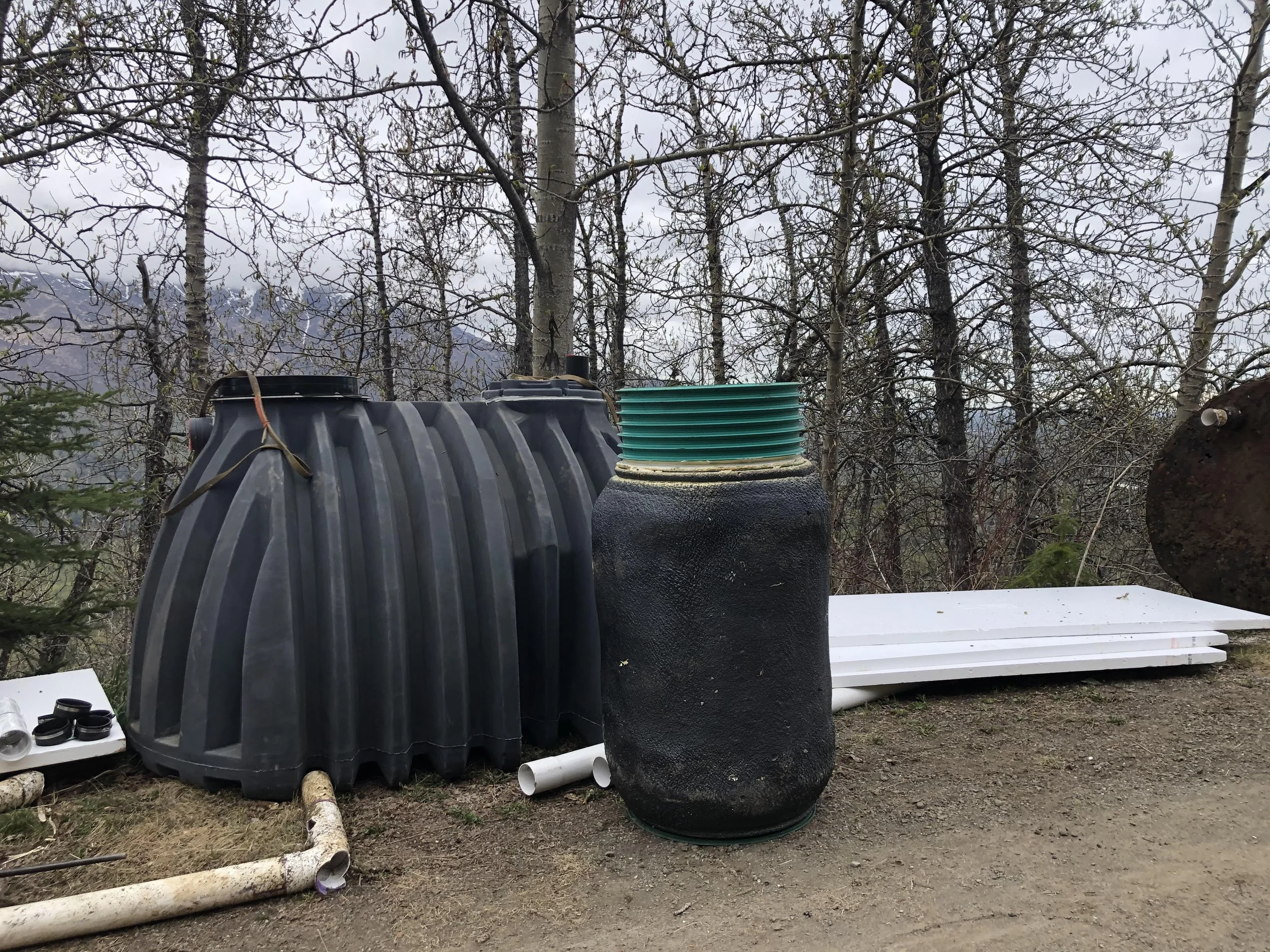
There are several material types of approved MOA tanks being installed (Epoxy Steel, HDPE / Plastic & Concrete) with the best type designed & installed for any particular property.